français
 русский
 español
 العربية
 日本語
日本語 Tiếng Việt
 中文
中文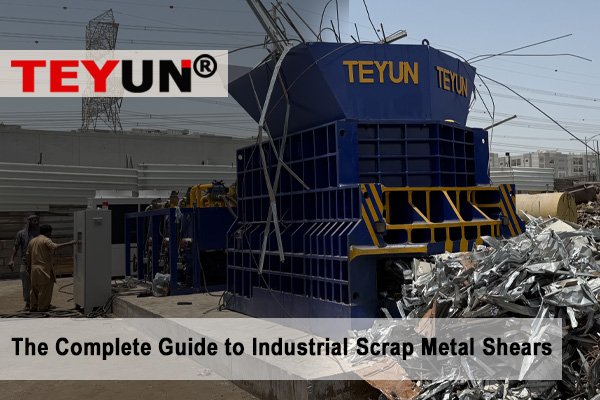
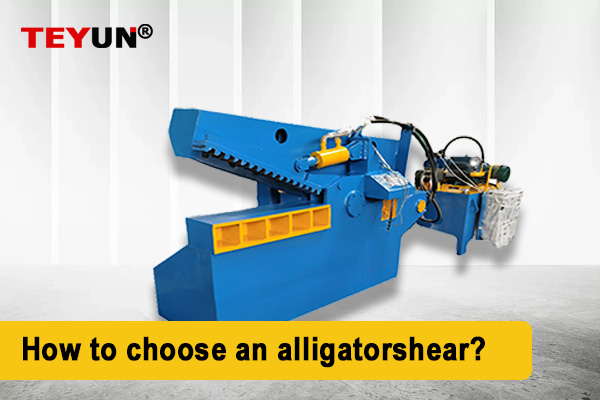
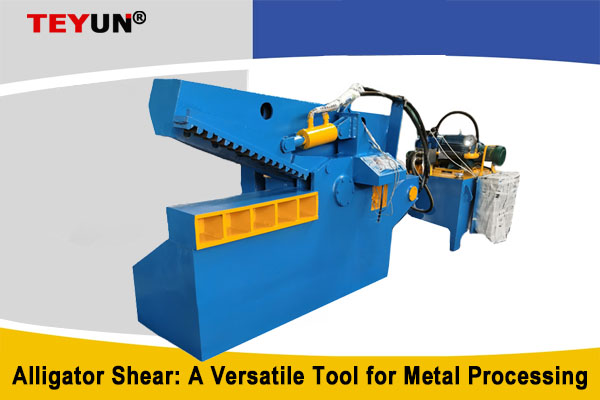
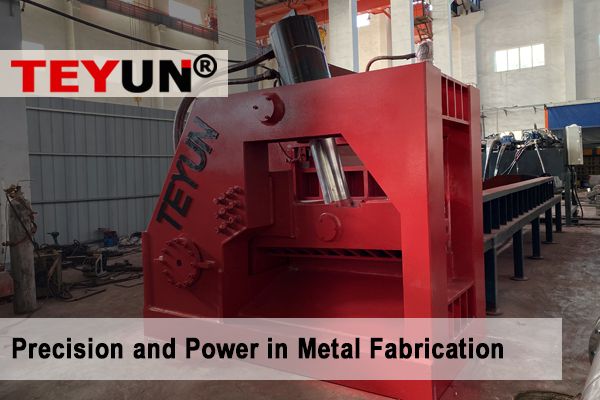
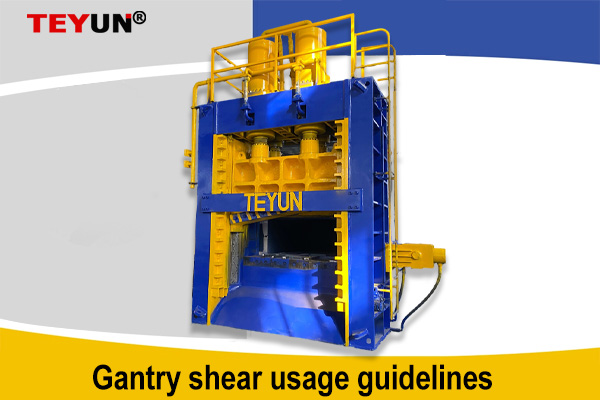
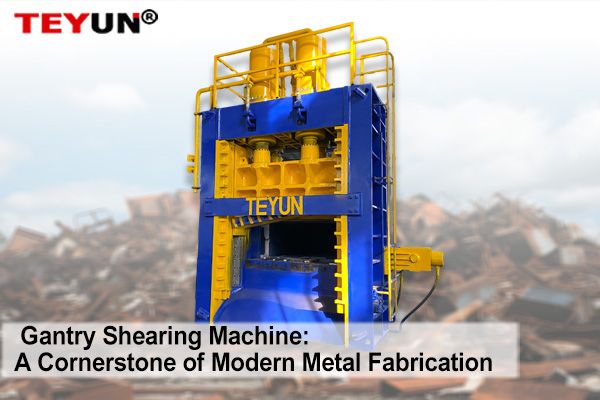
In the fast-paced metal recycling industry, efficiency is everything. Processing oversized, irregular waste metal into manageable, dense pieces is critical for reducing transportation costs, optimizing storage space, and preparing materials for smelting. To achieve this, scrap yards and recycling centers rely on high-performance cutting equipment engineered for durability and power. At Teyun Machinery, we specialize in manufacturing premium cutting solutions tailored to the rigorous demands of the recycling sector. Whether you are processing thin copper plates or heavy steel beams, choosing the right scrap metal shear is the first step toward maximizing your operational profitability. Diverse Shearing Solutions for Every Recycling Need Scrap metal comes in all shapes, sizes, and densities. To handle this variety, we have engineered a comprehensive lineup of cutting machinery, each designed with specific industrial advantages: 1. The Heavy-Duty Powerhouse For large-scale steel and iron operations, the Q91 series gantry shear (also known as a guillotine shear) is the ultimate solution. Built for heavy-duty applications, this machine effortlessly slices through waste steel, steel bars, and thick metal plates. Its robust design satisfies the massive demands of large recycling plants, offering continuous, high-speed operation. 2. High-Efficiency Box Shearing The container shear, often referred to as a horizontal box shear, is incredibly popular due to its compact volume paired with immense cutting efficiency. Featuring capacities ranging from 500 tons to 800 tons, this machine utilizes a large hopper to hold scrap metal while hardened steel blades perform the cut. This enclosed design allows for the safe, easy collection and continuous disposal of processed materials. 3. Versatile and Swift Cutting When dealing with longer or irregularly shaped metal stocks, an alligator shear machine provides unparalleled flexibility. For higher volume and tougher materials, our upgraded "Tiger Shear" (Super Alligator Shear) offers an expanded cutting opening and longer blade length. These units boast rapid shearing speeds—reaching 8 to 12 cuts per minute—significantly accelerating your workflow. Premium Features That Drive Performance What sets a Teyun scrap metal shearing machine apart from the competition is our commitment to advanced engineering and user-friendly operation. Key features across our product lines include: Hardened Steel Blades: Engineered to cut through thick, abrasive metals quickly without rapid dulling. Advanced Control Systems: Featuring fully automatic PLC controls, allowing operators to seamlessly switch between single-cut and continuous operation modes. High-Security Remote Control: Select models can be configured with remote operation, keeping your workforce at a safe distance during heavy processing. Flexible Feeding Mechanisms: Options include hydraulic motor transmission or cylinder push feeding, adapting to your specific mat...

Have any questions?
We are online 7*24 hours to answer all your questions
-

Email : info@njteyun.com
-

Tel : +86 13952083908
Whatsapp : +86 13952083908
-
 Address : Mingjue Industry Park, Lishui District, Nanjing City, Jiangsu Province
Connect


map

 IPv6 network supported