• Maximizing Margins in ELV Recycling: The Critical Role of Professional Car Balers
    Maximizing Margins in ELV Recycling: The Critical Role of Professional Car Balers

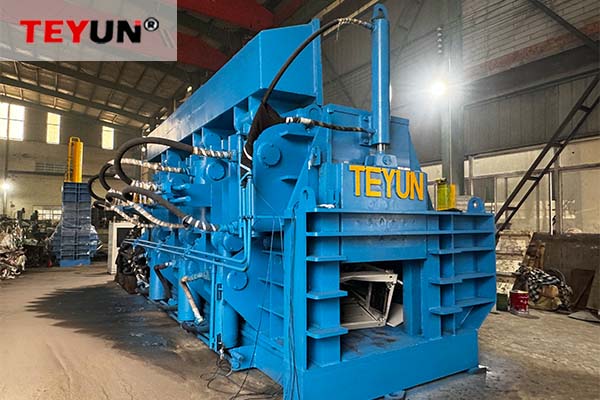
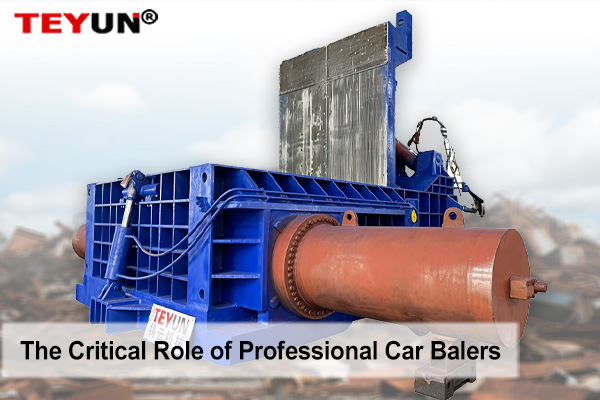
    The global End-of-Life Vehicle (ELV) recycling market has experienced unprecedented growth. Industry reports from 2025 and early 2026 indicate that over 30 million vehicles are decommissioned globally each year. As the automotive industry accelerates its shift toward electric vehicles (EVs) and circular economy regulations tighten, the volume of legacy internal combustion engine (ICE) vehicles entering scrap yards is reaching historic peaks. For metal recycling facilities, this surge presents a lucrative opportunity, but also a massive logistical bottleneck: how to efficiently process, store, and transport bulky car shells. The Logistics Challenge of Auto Recycling Scrap metal recycling is an industry defined by volume and transport economics. A stripped car body—minus its engine, tires, fuels, and hazardous fluids—is essentially a large, hollow steel shell. Shipping uncompressed car bodies is financially unviable due to the "shipping air" problem. Throughout 2024 and 2025, global freight and domestic trucking costs remained historically high, meaning that scrap yards failing to maximize their payload density saw their profit margins severely eroded. The solution lies in specialized, heavy-duty compaction. By utilizing a professional scrap metal baler for car body recycling, facilities can transform a cumbersome vehicle chassis into a dense, stackable block. This instantly multiplies the weight-to-volume ratio of every outbound shipment, slashing transportation costs by up to 60%. Advanced Engineering for the Automotive Sector General-purpose balers often lack the structural integrity to handle the diverse steel grades and complex geometries of modern vehicles. A purpose-built hydraulic car shell compactor is required to apply the immense force necessary to flatten cars, trucks, and vans safely and efficiently. At Teyun Machinery, we have engineered our equipment specifically for the rigorous demands of the automotive recycling industry. Our designs feature robust press chambers tailored for vehicle dimensions, offering operators the choice between a flat-bed type or a turn-around box type, depending on their facility's specific layout. Furthermore, feeding the machine is highly adaptable. Scrap yards can utilize a hydraulic cylinder push system or a heavy-duty excavator grab to lift and drop scrap cars directly into the feeding box, ensuring continuous, high-speed operation. Proven Global Reliability and ROI Investing in a heavy-duty car baling machine is a direct investment in your facility's operational throughput. Once the vehicle is positioned, the hydraulic press is activated, exerting substantial force to crush the bulkiness into a compact bale or flat sheet. This dramatically minimizes on-site storage space requirements and prepares the scrap metal for immediate sale to smelting facilities. The reliability of Teyun’s equipment is proven on a global scale. In recent years, our car balers have been successfully installed a...

    Read More
  • A Buyer’s Guide to the 1100-Ton Aluminum Extrusion Line | Teyun Machinery
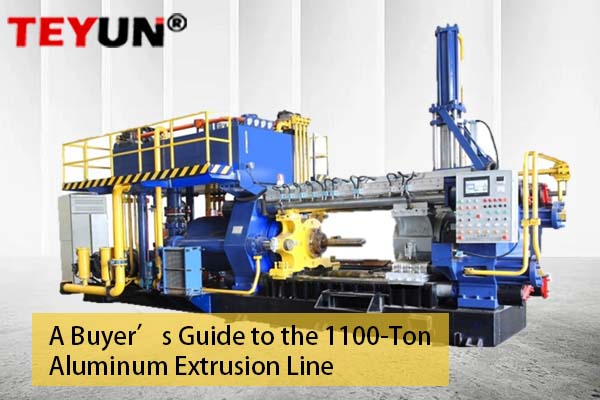
    A Buyer’s Guide to the 1100-Ton Aluminum Extrusion Line | Teyun Machinery

    A Strategic Investment: Why the 1100-Ton Aluminum Extrusion Line is the "Sweet Spot" for Manufacturers As a procurement director or plant manager in the metal processing industry, purchasing a new extrusion press is rarely just about adding capacity; it is about securing the long-term profitability and competitiveness of your entire facility. With the global demand for lightweight, durable aluminum profiles surging—driven by the construction, solar energy, and automotive sectors—choosing the right equipment is critical. When evaluating suppliers, the 1100-ton aluminum extrusion line consistently emerges as the "sweet spot" for mid-to-large-scale manufacturers. Here is a look at why this specific tonnage is a highly strategic investment, and what buyers should prioritize when evaluating a manufacturing partner like Teyun Machinery. 1. The Perfect Balance of Versatility and Power From a production standpoint, an 1100-ton press offers unmatched versatility. It is powerful enough to handle a vast array of industrial and architectural profiles—such as window and door frames, LED heat sinks, and solar panel mounting structures—without the excessive energy consumption and massive footprint of a 2000+ ton machine. For a manufacturing facility, this means you can accept a wider variety of client orders while maintaining high utilization rates. The 1100-ton capacity ensures that the machine is rarely sitting idle, providing a much faster return on investment (ROI) compared to highly specialized, oversized presses.   2. Total Cost of Ownership (TCO) vs. Initial Price When sourcing heavy machinery, the initial capital expenditure is only the tip of the iceberg. Professional buyers know that the Total Cost of Ownership (TCO) is what truly matters. We look for: Energy Efficiency: Modern hydraulic systems and advanced servo motors that reduce electricity consumption per ton of aluminum extruded. Yield Rate: High-precision alignment and stable pressure delivery to minimize scrap rates and ensure consistent profile quality. Uptime and Maintenance: Readily available spare parts, intuitive PLC control systems for easy troubleshooting, and robust structural engineering that withstands 24/7 operation. The 1100-ton extrusion line from Teyun is engineered exactly with these operational realities in mind, ensuring that your long-term running costs are kept strictly under control. 3. The Value of a Complete Turnkey Solution Sourcing an extrusion press is complex because the press does not operate in a vacuum. It requires a synchronized ecosystem: billet heating furnaces, die ovens, handling tables, pullers, cooling beds, stretchers, and aging ovens. Procuring these components from different vendors often leads to integration nightmares, software incompatibilities, and finger-pointing when a breakdown occurs. Partnering with a comprehensive manufacturer like Teyun eliminates this risk. By providing a complete, synchronized 1100-ton aluminum ex...

    Read More
  • Revolutionize Metal Recycling: The Complete Guide to Industrial Scrap Metal Shears
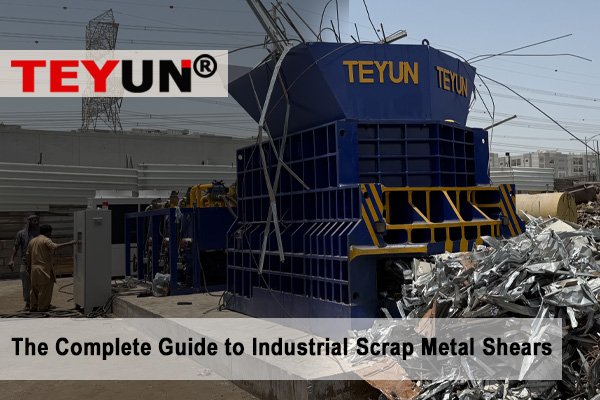
    Revolutionize Metal Recycling: The Complete Guide to Industrial Scrap Metal Shears

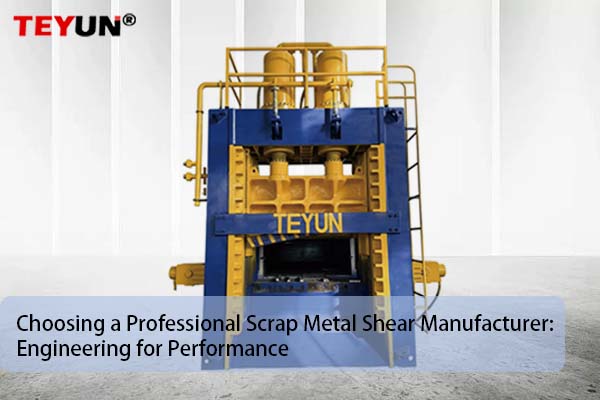
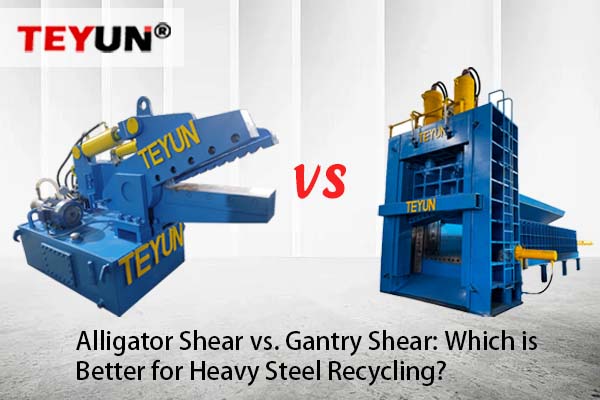
    In the fast-paced metal recycling industry, efficiency is everything. Processing oversized, irregular waste metal into manageable, dense pieces is critical for reducing transportation costs, optimizing storage space, and preparing materials for smelting. To achieve this, scrap yards and recycling centers rely on high-performance cutting equipment engineered for durability and power. At Teyun Machinery, we specialize in manufacturing premium cutting solutions tailored to the rigorous demands of the recycling sector. Whether you are processing thin copper plates or heavy steel beams, choosing the right scrap metal shear is the first step toward maximizing your operational profitability. Diverse Shearing Solutions for Every Recycling Need Scrap metal comes in all shapes, sizes, and densities. To handle this variety, we have engineered a comprehensive lineup of cutting machinery, each designed with specific industrial advantages: 1. The Heavy-Duty Powerhouse For large-scale steel and iron operations, the Q91 series gantry shear (also known as a guillotine shear) is the ultimate solution. Built for heavy-duty applications, this machine effortlessly slices through waste steel, steel bars, and thick metal plates. Its robust design satisfies the massive demands of large recycling plants, offering continuous, high-speed operation. 2. High-Efficiency Box Shearing The container shear, often referred to as a horizontal box shear, is incredibly popular due to its compact volume paired with immense cutting efficiency. Featuring capacities ranging from 500 tons to 800 tons, this machine utilizes a large hopper to hold scrap metal while hardened steel blades perform the cut. This enclosed design allows for the safe, easy collection and continuous disposal of processed materials. 3. Versatile and Swift Cutting When dealing with longer or irregularly shaped metal stocks, an alligator shear machine provides unparalleled flexibility. For higher volume and tougher materials, our upgraded "Tiger Shear" (Super Alligator Shear) offers an expanded cutting opening and longer blade length. These units boast rapid shearing speeds—reaching 8 to 12 cuts per minute—significantly accelerating your workflow. Premium Features That Drive Performance What sets a Teyun scrap metal shearing machine apart from the competition is our commitment to advanced engineering and user-friendly operation. Key features across our product lines include: Hardened Steel Blades: Engineered to cut through thick, abrasive metals quickly without rapid dulling. Advanced Control Systems: Featuring fully automatic PLC controls, allowing operators to seamlessly switch between single-cut and continuous operation modes. High-Security Remote Control: Select models can be configured with remote operation, keeping your workforce at a safe distance during heavy processing. Flexible Feeding Mechanisms: Options include hydraulic motor transmission or cylinder push feeding, adapting to your specific mat...

    Read More
  • Maximize Recycling Efficiency: The Ultimate Guide to Professional Baling Solutions
    Maximize Recycling Efficiency: The Ultimate Guide to Professional Baling Solutions

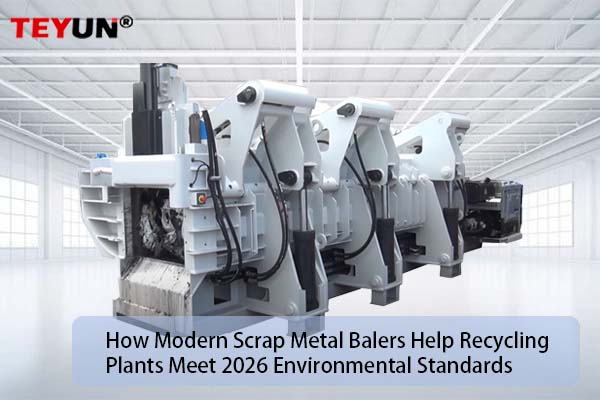
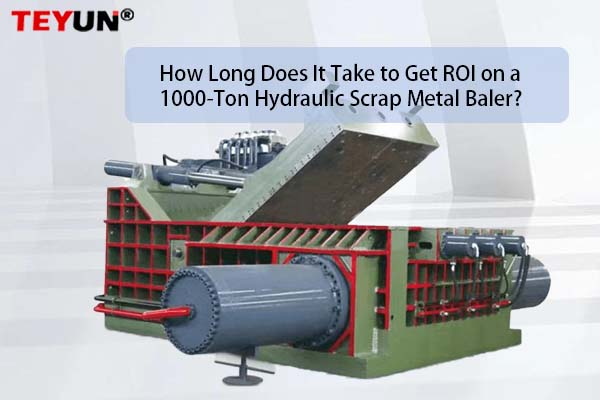
    The global recycling industry demands robust, reliable, and highly efficient machinery to handle ever-increasing volumes of industrial and commercial waste. Whether your facility processes end-of-life vehicles, industrial metal offcuts, or everyday recyclables like cardboard and PET bottles, investing in the right equipment is critical for your bottom line. At Teyun Machinery, we engineer professional-grade compaction solutions designed to drastically reduce waste volume, slash transportation costs, and optimize your valuable stock space. Our equipment is manufactured to meet rigorous international standards, ensuring seamless operation for clients worldwide. Maximizing ROI with Heavy-Duty Solutions When dealing with massive volumes of ferrous and non-ferrous metals, standard pressing equipment simply cannot deliver the necessary density. Our heavy-duty hydraulic metal baler machine range is built for the harshest industrial environments. Offering capacities from 150 tons up to a staggering 2000 tons, these machines deliver unmatched compressive force to handle structural steel, copper wire, and aluminum extrusions. For automotive recycling centers, managing bulky, irregular vehicle shells is a notorious logistical headache. Our specialized car baler is specifically designed to solve this problem. After tires and motors are removed, this powerful machine compresses stripped car bodies into dense, uniform, and easily stackable blocks, instantly transforming your scrap yard's workflow and maximizing payload for outbound freight. Tailored Equipment for Diverse Waste Streams We understand that no two recycling facilities are exactly the same. Depending on your material throughput and space constraints, we offer a diverse range of operational designs. Facilities requiring continuous, high-volume processing of scrap metals benefit immensely from a heavy-duty horizontal baler. These machines support automated feeding systems, ensuring your production line never stops. Alternatively, if your facility handles lighter, looser materials such as waste paper, plastics, or used clothing, a space-saving vertical baler provides the perfect balance of high bale density and a compact, factory-friendly footprint. Engineering Excellence and Global Reliability What sets a premium scrap metal baling machine apart is the precision of its engineering and its adaptability to your specific workflow. We offer multiple bale discharge methods—including side push out, front push out, turn out, and manual handling—ensuring seamless integration into your existing processing line. Whether you require fully automatic operation for peak productivity or manual controls for specific sorting tasks, our equipment delivers uncompromising performance. Car Baler for recycling&baling the waste car body or car shell Frequently Asked Questions (FAQ) Q1: What types of materials can your machines process? A: Our equipment is highly versatile. We offer specialized models for he...

    Read More
  • What is an alligator shear and how to choose an alligator shear?
    What is an alligator shear and how to choose an alligator shear?

    What is an alligator shear? The alligator shear is also known as the ‘Crocodile shearing machine’, which is widely used for cold shearing various shapes of steel and various metal structures into small pieces and qualified charge. This shearing process makes the transportation and recycling more convenient. The scrap metal alligator shear is a necessary equipment for waste metal recycling plants, scrapped car dismantling plants, smelting and casting industries. The process principle of the alligator shearing machine is to extract the hydraulic oil in the hydraulic oil tank through the motor, and the reversing action of the reversing valve is used to drive the oil cylinder to run and cut into small pieces of metal scrap. The alliagtor shear consists of shearing frame (cast iron), blade, pressure plate, protective cover, operating table (automatic electric operation box), electrical system, reversing solenoid valve, oil pump, motor, oil tank, air cooling, shearing cylinder, pressure material grease cylinder.   The features of the alligator shear The alligator shear powered by the hydraulic cylinder, which is easy to operate and easy to maintain. The length of the working blade: 400mm, 600mm, 700mm, 800mm, 1000mm and 1200mm. The alligator shear with the blade ≥700mm is especially suitable for cutting scrapped cars. We also support customized alligator shear, tell us your requirements. Small size, light weight, low inertia, low noise, stable action, convenient operation, flexibility, large shearing section, and convenient adjustment of the scissors. Safe operation and easy to achieve overload protection.     How to choose an suitable alligator shear? The following tips for your reference: Ensure what kind of the materials to cut. Ensure the blade size the alligator shear you need. Ensure the capacity of the alligator shear you need for one hour. Consider the service the machine.

    Read More
  • Alligator Shear: A Versatile Tool for Metal Processing
    Alligator Shear: A Versatile Tool for Metal Processing

    The alligator shear, named for its resemblance to the jaws of an alligator, is a heavy-duty mechanical tool widely used in the metal recycling and fabrication industries. This robust equipment is designed to cut through various ferrous and non-ferrous metals with high efficiency and precision, making it indispensable in scrap metal handling and production line operations.   The core structure of an alligator shear consists of a fixed lower jaw and a movable upper jaw, powered by either hydraulic or mechanical systems. The hydraulic model, more common in modern applications, delivers a powerful cutting force—ranging from several tons to hundreds of tons—enabling it to shear thick metal plates, rods, pipes, and even bulky scrap components. Unlike other cutting tools, its jaw design allows for gradual and controlled cutting, which reduces material deformation and ensures clean, uniform cuts.   In metal recycling yards, alligator shears play a crucial role in reducing the size of scrap metal, facilitating transportation and melting processes. They efficiently process end-of-life machinery parts, automotive components, and construction debris, transforming waste into reusable raw materials. In manufacturing plants, these shears are used for precision cutting of metal blanks, preparing materials for further shaping, welding, or assembly.   Safety is a key priority when operating alligator shears. Operators must adhere to strict guidelines, including wearing protective gear and ensuring the work area is clear of obstacles. Modern models are equipped with safety features such as emergency stop buttons and interlock systems to prevent accidents.   With their durability, versatility, and high performance, alligator shears remain a cornerstone tool in metal processing. They not only enhance work efficiency but also promote sustainable waste management, contributing to the circular economy within the metal industry.

    Read More
  • The Tiger Shearing Machine: Precision and Power in Metal Fabrication
    The Tiger Shearing Machine: Precision and Power in Metal Fabrication

    In the demanding world of metal fabrication, efficiency, precision, and safety are paramount. The Tiger Shearing Machine stands as a formidable piece of equipment designed to meet these exacting standards. This powerful machine is engineered for the clean, straight-line cutting of sheet metal, plates, and other metal forms, serving as a cornerstone technology in workshops, manufacturing plants, and steel service centers globally.   At its core, the Tiger Shearing Machine operates on a simple yet highly effective principle. The metal workpiece is securely clamped onto a robust table. A moving upper blade, driven by a powerful mechanical or hydraulic system, then descends with immense force against a fixed lower blade. This scissor-like action shears the metal along a straight line, producing a clean edge with minimal deformation. The "gap" between these two precisely ground blades is adjustable, allowing operators to tailor the machine for different material thicknesses and types, from thin mild steel to thicker stainless plates.   What sets the Tiger Shearing Machine apart are its advanced features that enhance performance and usability. Modern models are often equipped with CNC (Computer Numerical Control) systems. This allows operators to program the back gauge—a critical fence that positions the metal—for repetitive cuts with microscopic accuracy. This automation drastically reduces human error, material waste, and setup time. Furthermore, built-in safety mechanisms are integral. These include two-handed operation controls, light curtains, and physical guards that ensure the operator's hands are clear before a cut is initiated, creating a secure working environment.   The applications of this machine are extensive. It is indispensable for creating precise blanks for subsequent processes like punching, bending, or welding. Whether preparing components for machinery, architectural frameworks, automotive parts, or household appliances, the shearing machine provides the first, critical cut. Its ability to handle various metals makes it exceptionally versatile.   The primary advantages of utilizing a Tiger Shearing Machine are clear. It delivers unmatched productivity through rapid, consistent cutting cycles. The superior cut quality minimizes the need for secondary edge finishing. Enhanced operator safety is a fundamental design priority. Finally, the remarkable versatility in handling different dimensions and grades of metal makes it a highly cost-effective, long-term investment for any serious metalworking operation.   In conclusion, the Tiger Shearing Machine is far more than a simple cutter; it is a symbol of controlled power and technological refinement in industrial manufacturing. By seamlessly blending raw force with digital precision and rigorous safety standards, it empowers industries to shape the modern world, one precise cut at a time.

    Read More
  • Gantry shear usage guidelines
    Gantry shear usage guidelines

    Gantry shear is a heavy-duty industrial machine used for cutting large metal plates, sheets, and structural components. It features a gantry-style frame with a moving upper blade that shears material against a fixed lower blade. Commonly employed in metal fabrication, steel processing, and recycling operations, gantry shears are valued for their high precision, powerful cutting capacity, and ability to handle sizable workpieces. Safe and efficient operation relies on strict adherence to standardized procedures and preventive safety measures.   1. Safe Operating Procedures During Operation   Standardized Material Loading When loading materials using overhead cranes, lifting devices, or loading trolleys, all lifting safety regulations must be strictly followed to ensure stable and secure hoisting. During manual loading, personnel must coordinate and use appropriate tools—such as magnetic chucks or hooks—to prevent cuts and injuries. Never place hands or any part of the body under the upper blade or in areas where material may shift or tip.   Precise Positioning Use the equipment’s scales, stop gauges, or CNC programming system to accurately set cutting dimensions. When adjusting material position, always use proper tools (e.g., pry bars). Do not push or support material directly with hands.   Safe Start-up and Monitoring Operators must stand in a safe location, typically in front of the control panel, with no body parts entering the cutting zone. Initiate the cutting cycle only after confirming that all personnel have cleared the danger area. Maintain full attention during cutting and continuously monitor material behavior. If misalignment, jamming, unusual noise, or vibration occurs, immediately press the emergency stop button.   Safe Material Discharge and Stacking After shearing, wait for the machine to come to a complete stop, the upper blade to return to its highest position, and the clamping device to fully release before removing the workpiece. Sort finished workpieces and scrap edges, placing them in designated racks or containers. Stack materials neatly and securely to prevent slipping or falling. Remove scrap promptly.   Prohibited Behaviors (Highest Priority)   Do not shear material that exceeds the equipment’s rated capacity in thickness or strength.   Do not shear multiple pieces of different specifications or materials simultaneously.   Never place hands, arms, or tools between the upper and lower blades, under the clamping device, or near any moving parts.   Do not perform maintenance, cleaning, adjustment, or measurement while the machine is operating.   Do not remove, bypass, or disable any safety guards or devices.   Do not leave the operating station unattended while the equipment is running.   2. Post-Operation and Maintenance Safety   Standardized Shutdown After operation, stop the machine in a safe position (upper blade fully raised),...

    Read More
  • Gantry Shearing Machine: A Cornerstone of Modern Metal Fabrication
    Gantry Shearing Machine: A Cornerstone of Modern Metal Fabrication

    The gantry shearing machine represents a pivotal advancement in industrial metal processing, combining precision engineering with high-efficiency operation. Unlike traditional mechanical shears, this equipment features a gantry-style frame structure that spans the material processing area, providing exceptional stability and cutting accuracy. Its design typically incorporates a fixed lower blade and a moving upper blade that descends vertically, creating a clean shear action across the entire width of the metal sheet. This configuration allows for processing large-format materials with minimal distortion, making it indispensable in industries requiring high-volume, high-precision sheet metal cutting.   One of the machine's most significant advantages lies in its versatility. Modern gantry shears can handle various materials including mild steel, stainless steel, aluminum, and copper alloys, with thickness capacities ranging from 1mm to over 20mm depending on the machine's power rating. The integration of CNC (Computer Numerical Control) systems has further revolutionized its operation, enabling programmable cutting sequences, automatic back gauge positioning, and real-time monitoring of cutting parameters. Operators can input cutting dimensions through a user-friendly interface, and the machine executes complex cutting patterns with repeatable accuracy down to ±0.1mm.   Safety features constitute another critical aspect of gantry shearing machines. Advanced models incorporate photoelectric safety curtains, two-hand operation controls, and emergency stop systems to protect operators during high-risk operations. The hydraulic or servo-electric drive systems ensure smooth, controlled blade movement, reducing noise levels and vibration compared to mechanical counterparts. Additionally, modern designs emphasize energy efficiency through variable-speed motors and regenerative braking systems that recover energy during deceleration.   In practical applications, gantry shears serve as primary equipment in shipbuilding, automotive manufacturing, construction material production, and heavy machinery fabrication. Their ability to process large plates with minimal material waste contributes significantly to cost efficiency in mass production environments. The machine's robust construction, typically featuring welded steel frames and hardened tool steel blades, ensures long service life even under continuous operation. As Industry 4.0 concepts gain traction, these machines are increasingly equipped with IoT connectivity for predictive maintenance, remote diagnostics, and production data analytics, further enhancing their operational value in smart manufacturing ecosystems.   The evolution of gantry shearing technology continues to address industry demands for higher throughput, improved material utilization, and reduced setup times. With ongoing innovations in blade materials, control systems, and automation integration, these machi...

    Read More
  • Horizontal Baling Machine: An Essential Tool in Waste Management
    Horizontal Baling Machine: An Essential Tool in Waste Management

    Horizontal baling machine is a crucial piece of equipment in modern waste management and recycling industries. Unlike vertical balers that compress materials from top to bottom, horizontal balers operate by compressing waste materials horizontally, typically using a hydraulic ram system. This design allows for continuous feeding and higher production capacity, making them particularly suitable for large-scale operations in recycling facilities, manufacturing plants, and waste processing centers.   The machine consists of several key components: a large rectangular chamber (baling box), a powerful hydraulic system, a feeding conveyor or hopper, and a bale tying mechanism. Waste materials such as cardboard, paper, plastics, textiles, or metal scraps are fed into the chamber through the hopper. Once the chamber is sufficiently filled, the hydraulic ram activates, applying immense pressure—often ranging from 50 to 200 tons—to compress the materials into dense, uniform bales. The compression cycle repeats until the desired bale size is achieved, after which the bale is automatically tied with wires or straps and ejected from the machine.   Horizontal balers offer significant advantages over other baling systems. Their continuous feeding capability enables uninterrupted operation, increasing throughput efficiency. The horizontal design allows for larger bale sizes (typically 1-2 meters in length), which reduces transportation costs by maximizing load capacity. These machines can handle various materials, from light corrugated cardboard to heavy metal scraps, with adjustable pressure settings to accommodate different material densities. Common applications include recycling centers processing municipal solid waste, paper mills handling waste paper, textile factories managing fabric scraps, and manufacturing plants dealing with packaging materials.   Modern horizontal balers incorporate advanced safety features such as emergency stop buttons, safety interlocks, and automatic shut-off systems to prevent accidents during operation. Regular maintenance of hydraulic systems, electrical components, and mechanical parts is essential for optimal performance. Operators require proper training to ensure safe handling and efficient operation. Environmental benefits include reducing waste volume by up to 90%, lowering landfill usage, and facilitating easier transportation and storage of recyclable materials.   In summary, horizontal baling machines play a vital role in sustainable waste management practices. Their robust design, high processing capacity, and versatility make them indispensable in industries committed to recycling and resource conservation. As environmental regulations tighten and recycling demands increase, these machines continue to evolve with improved automation, energy efficiency, and safety standards, contributing to a more circular economy.

    Read More
1 2 3 4 13
A total of13pages
Top
GET THE OFFER
GET THE OFFER
Leave your contact, we will send you the free offer, layout and the whole line solutions.

Home

Products

whatsapp