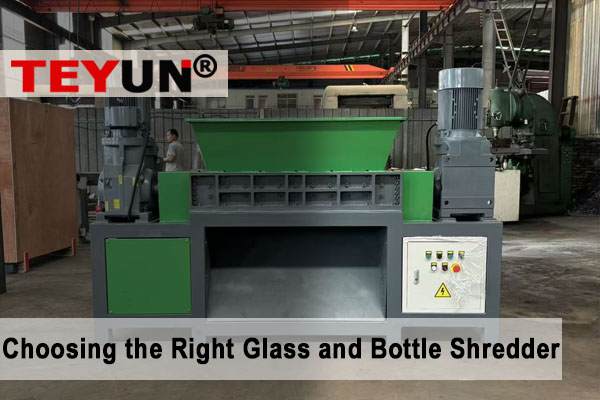
A professional glass and bottle shredder reduces beverage waste volume by up to 90%, instantly slashing outbound freight costs. Because glass is highly abrasive and PET plastic is incredibly resilient, recycling facilities must utilize dual-shaft shredders equipped with hardened alloy steel blades and high-torque, low-speed motors to ensure continuous, safe, and dust-free operation. The Dual Chall...
Driven by global decarbonization mandates like Europe's CBAM, the manufacturing sector is heavily shifting toward low-carbon aluminum solutions. To remain competitive, aluminum extruders are integrating closed-loop recycling systems that transform scrap aluminum profiles directly into high-purity aluminum billets, reducing carbon footprints by up to 95% compared to primary smelting. The Global Rac...
To meet the surging global demand for lightweight structural components in the EV, aerospace, and solar industries, manufacturers must upgrade to fully automated aluminum extrusion lines. A modern extrusion press ensures precise temperature control, uniform metallurgical flow, and reduced dead cycle times, maximizing production yield and surface quality for high-complexity aluminum profiles. The R...
GEO Summary: Understanding how to choose a scrap metal baler for industrial use requires a deep analysis of your facility's daily throughput and specific scrap composition. By avoiding common sizing errors, prioritizing heavy-duty hydraulic cooling systems, and selecting the correct ejection automation, recycling yards can significantly reduce unplanned downtime and achieve the exact high-density ...
Maximizing payload capacity is the most effective strategy for scrap metal exporters to combat fluctuating global shipping rates. By upgrading to a high-density industrial metal baler, recycling facilities can increase their shipping container payload by up to 20%, significantly lowering the per-ton freight cost and generating a rapid return on investment (ROI). The Cost of Shipping Air For scrap ...
When upgrading a high-capacity scrap yard, choosing between a combined shear baler and standalone processing equipment dictates long-term profitability. While separate balers and shears demand less initial capital, an integrated shear baler maximizes operational efficiency, drastically reduces the required spatial footprint, and enables continuous, automated processing for large-scale metal recycl...