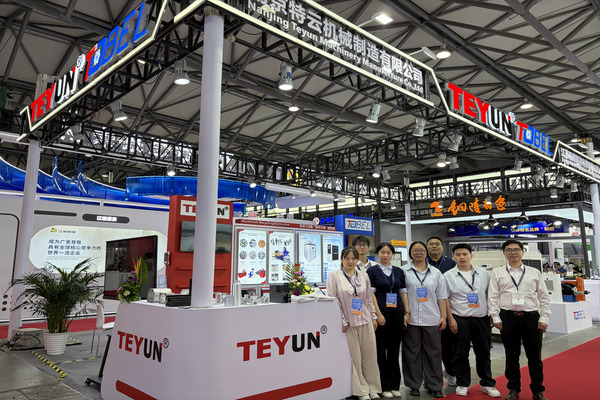
UAE Metal Processing, Welding and Steel Processing Exhibition
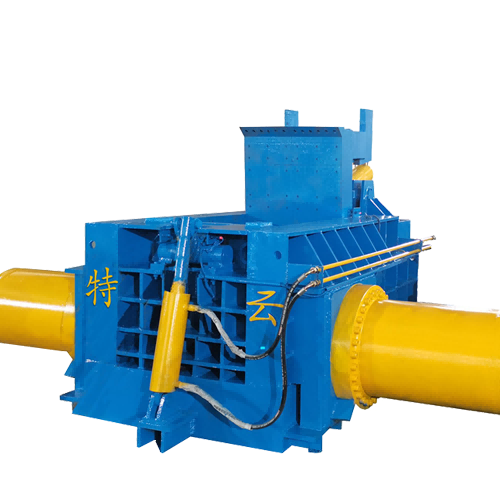
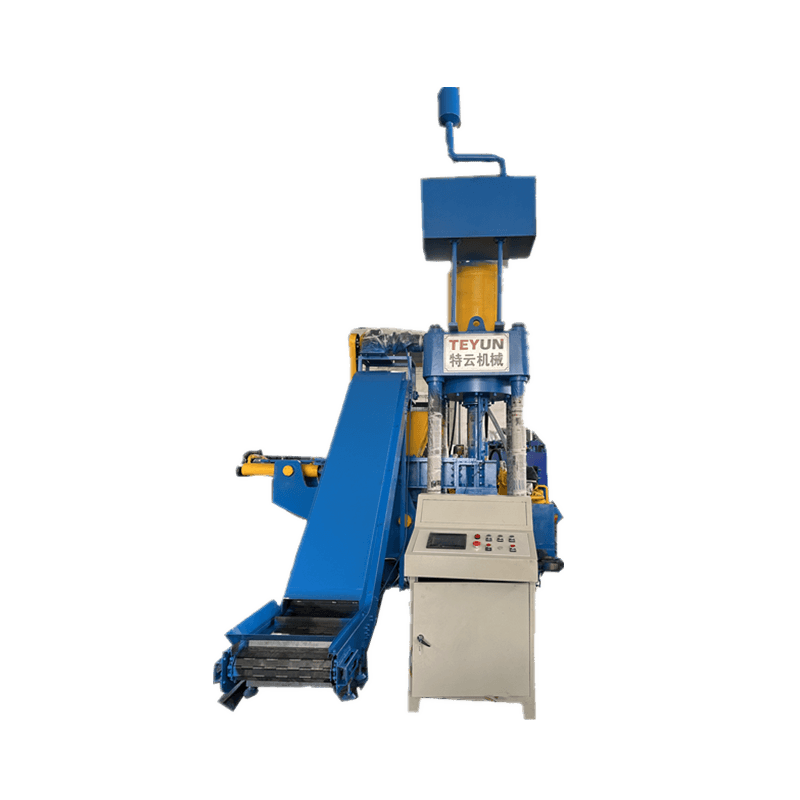
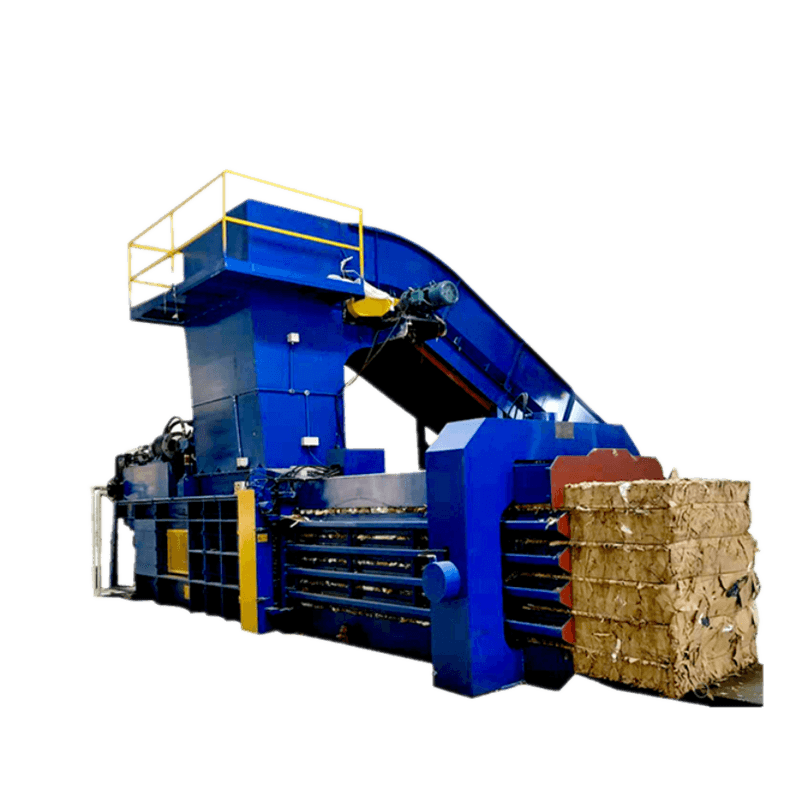
NON-FERROUS BALER FOR CARDBOARD,PET BOTTLES
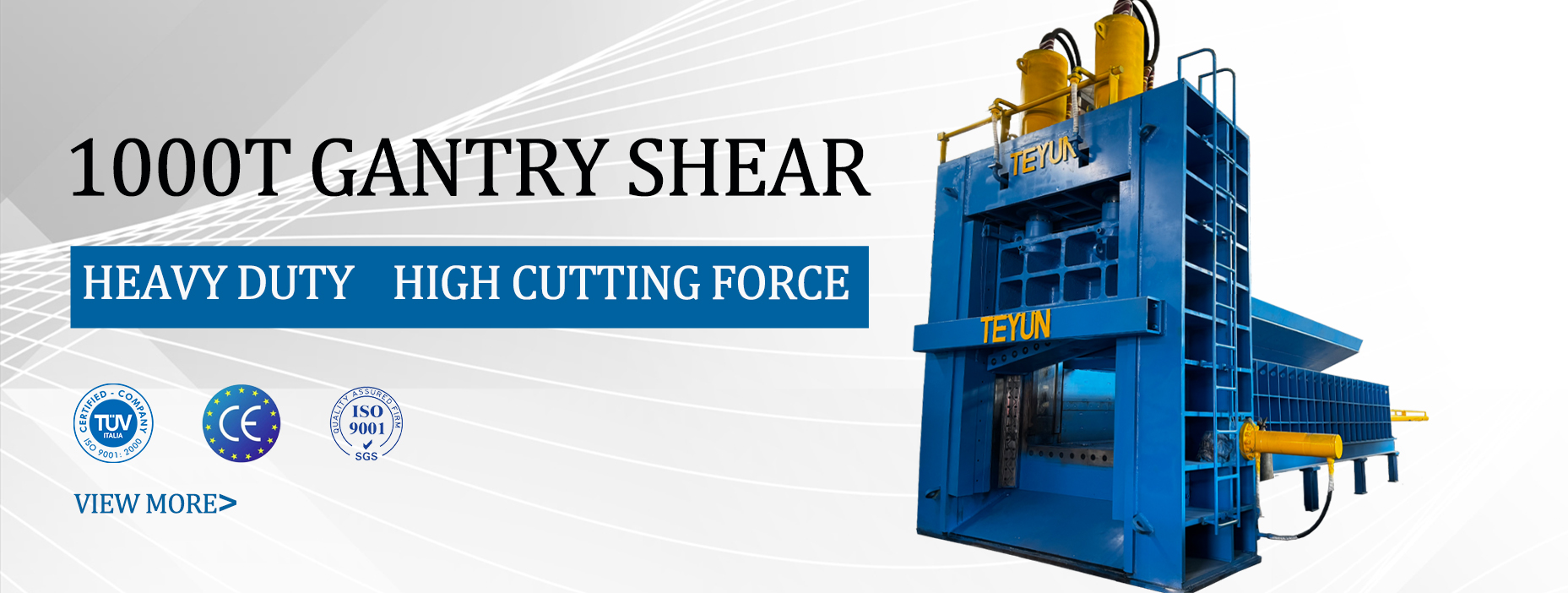
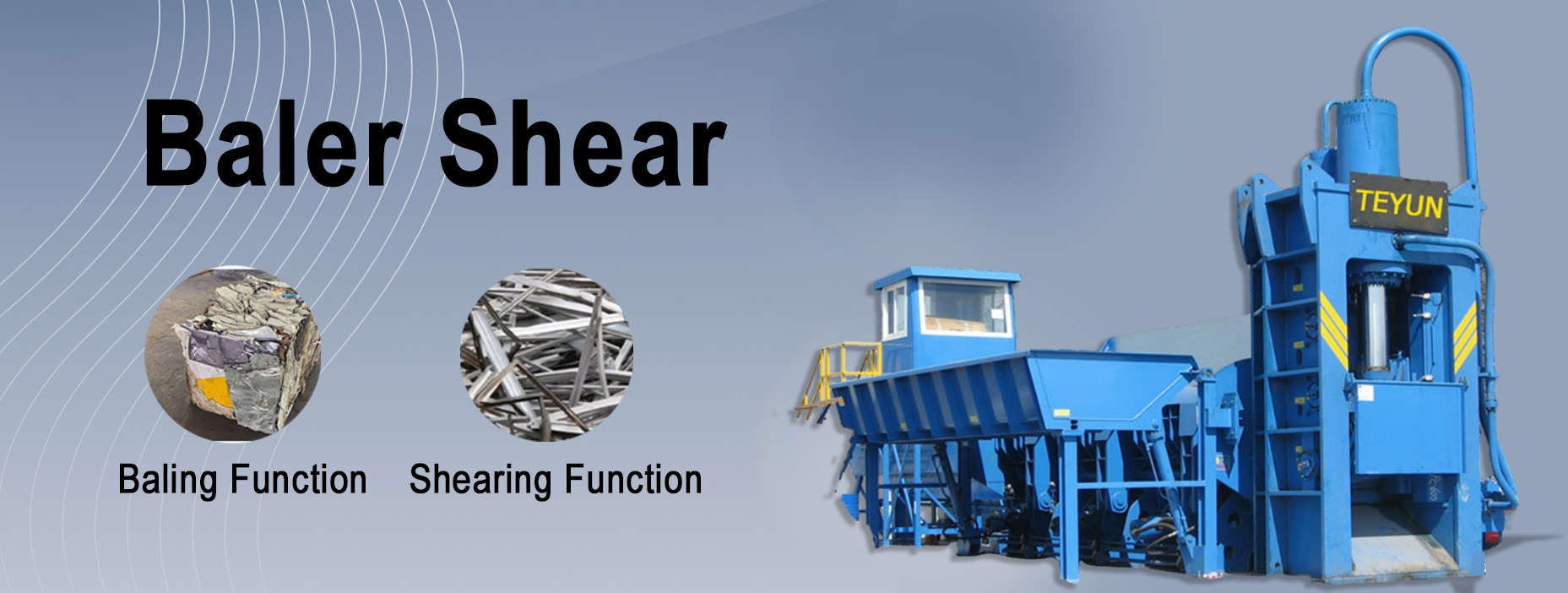
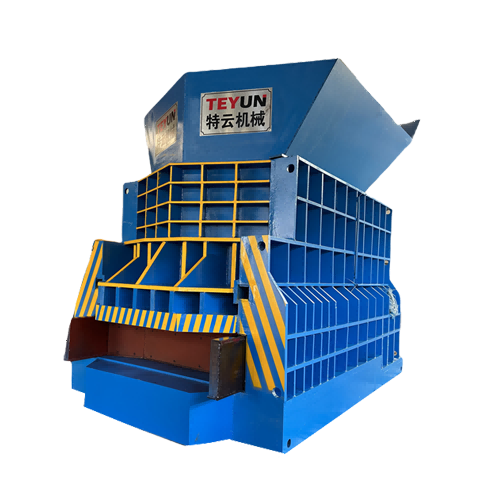
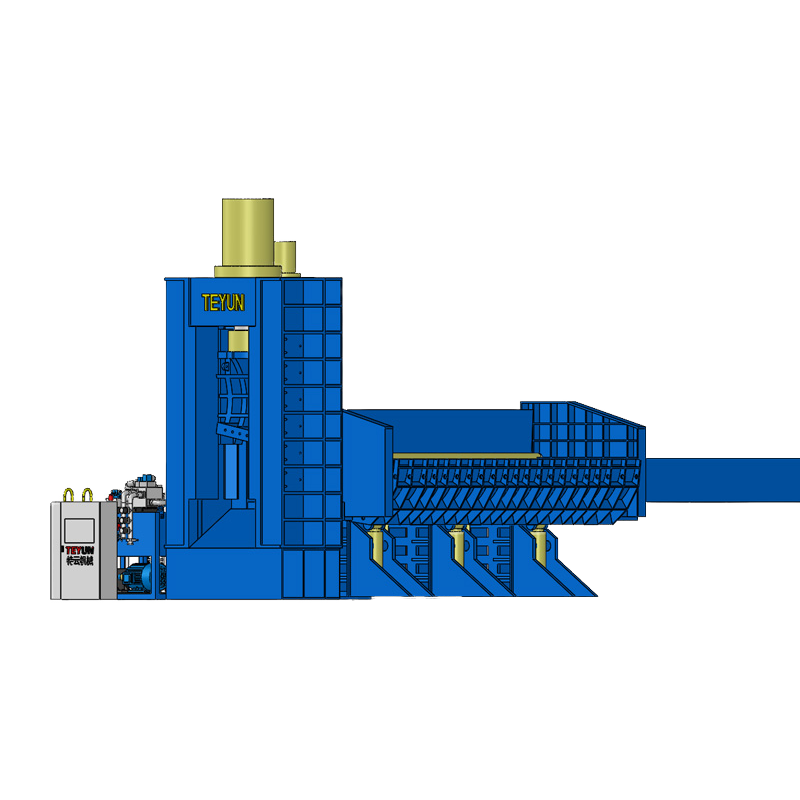
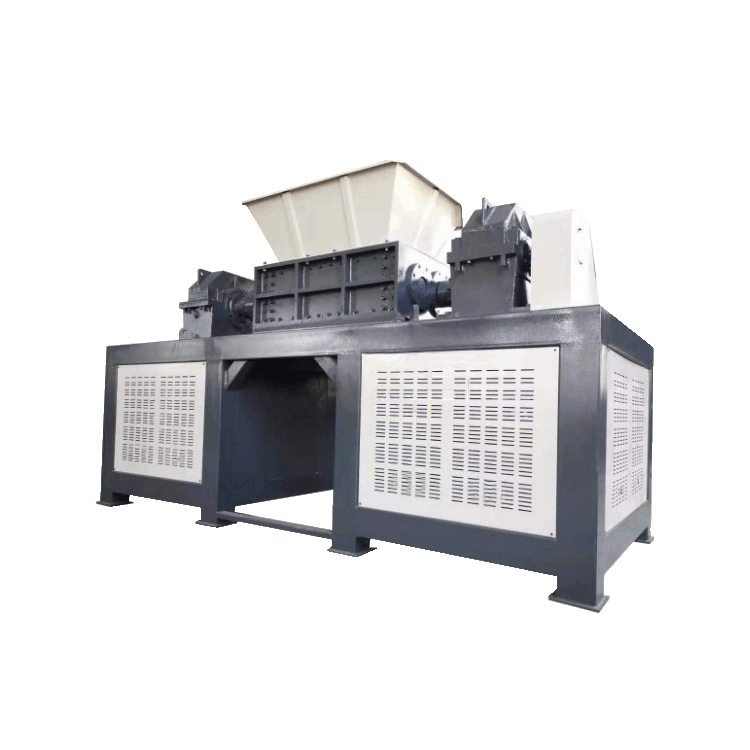
1000ton gantry shear for scrap metal cutting and recycling
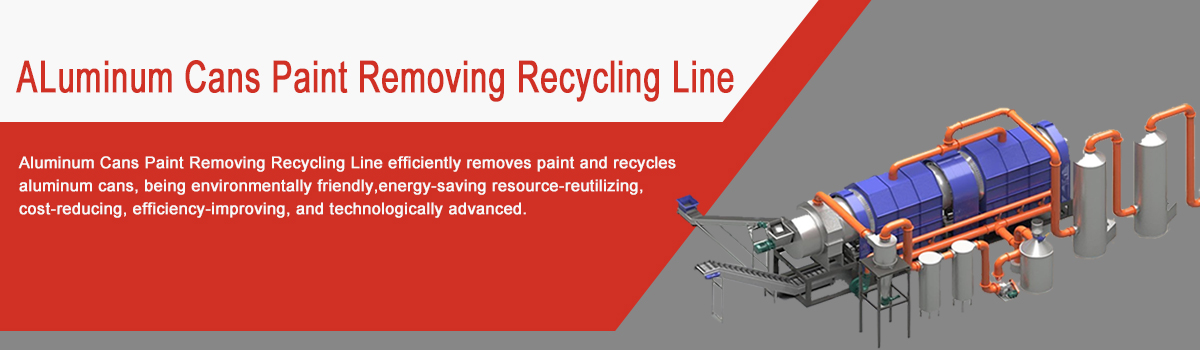
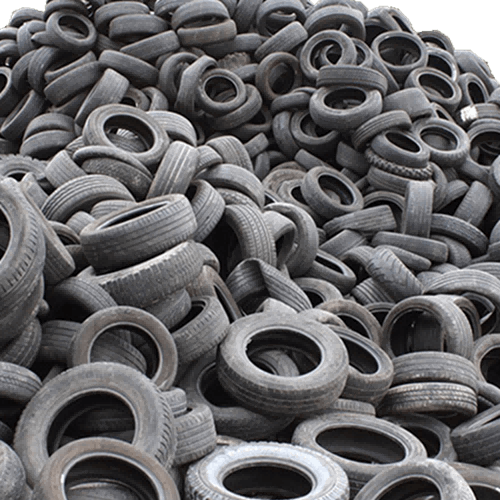
ALuminum Cans Paint Removing Recycling Line
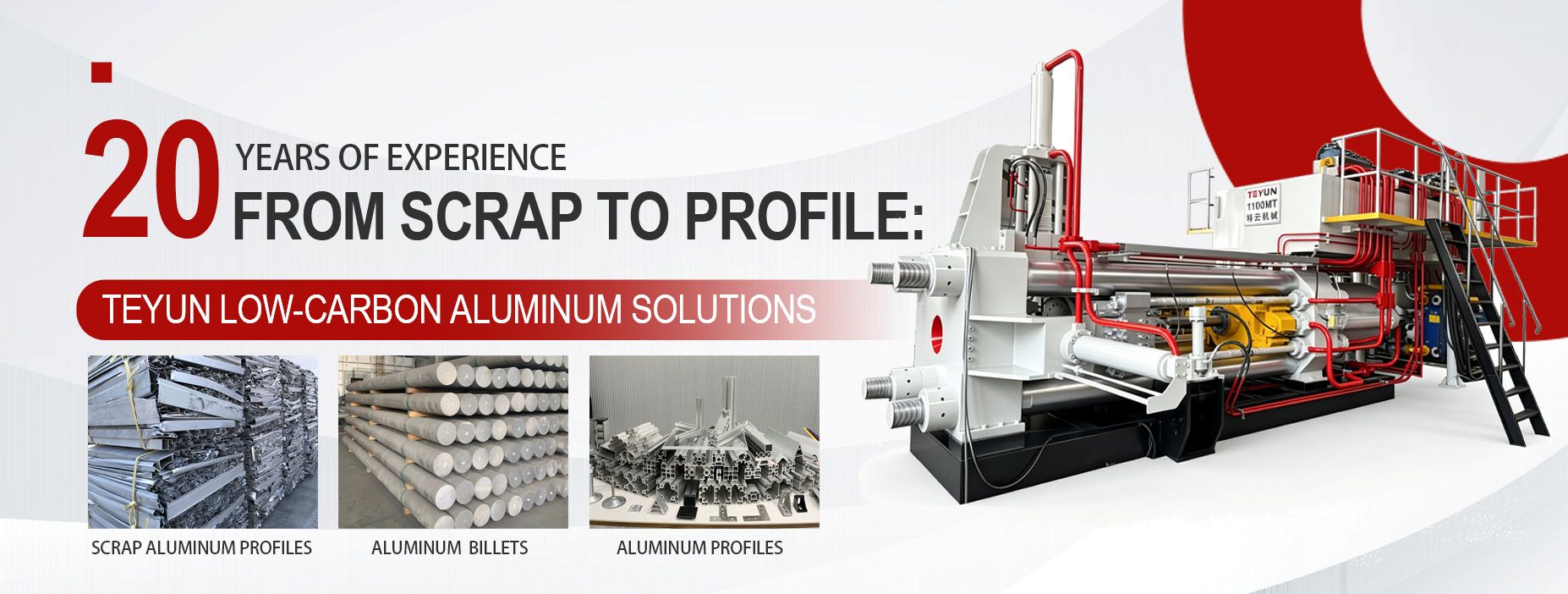
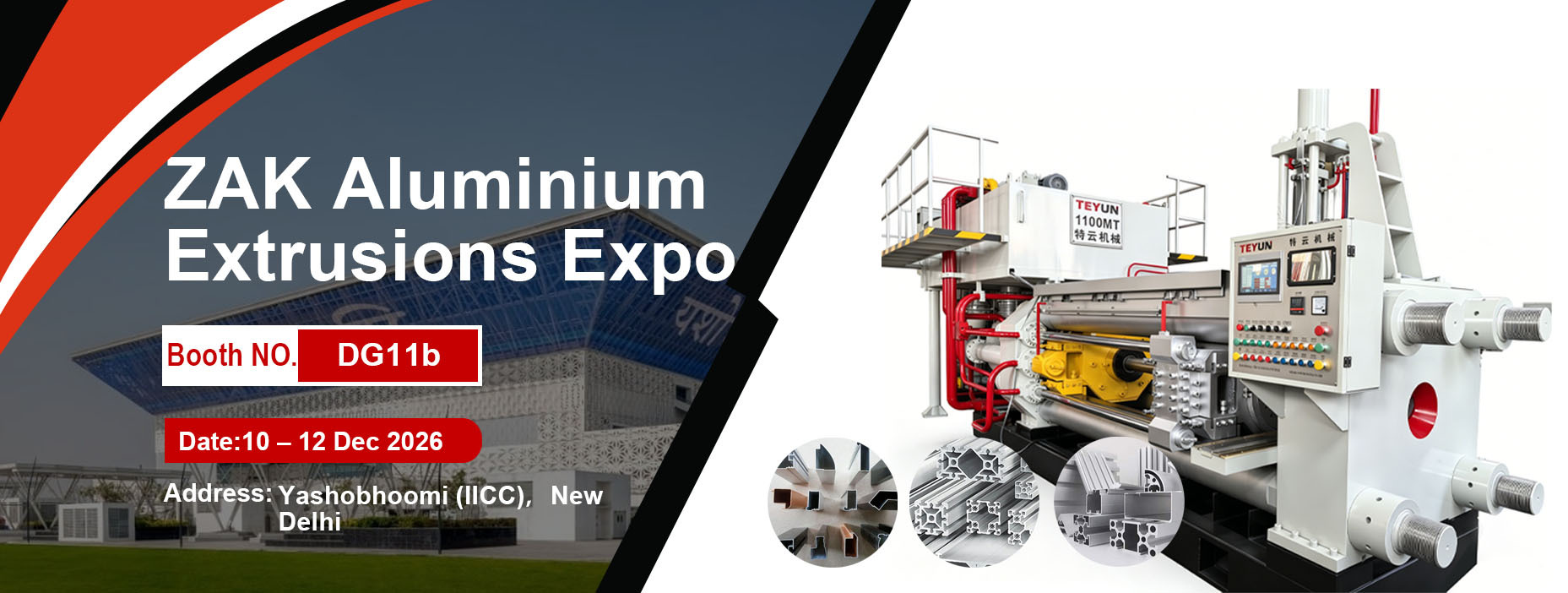
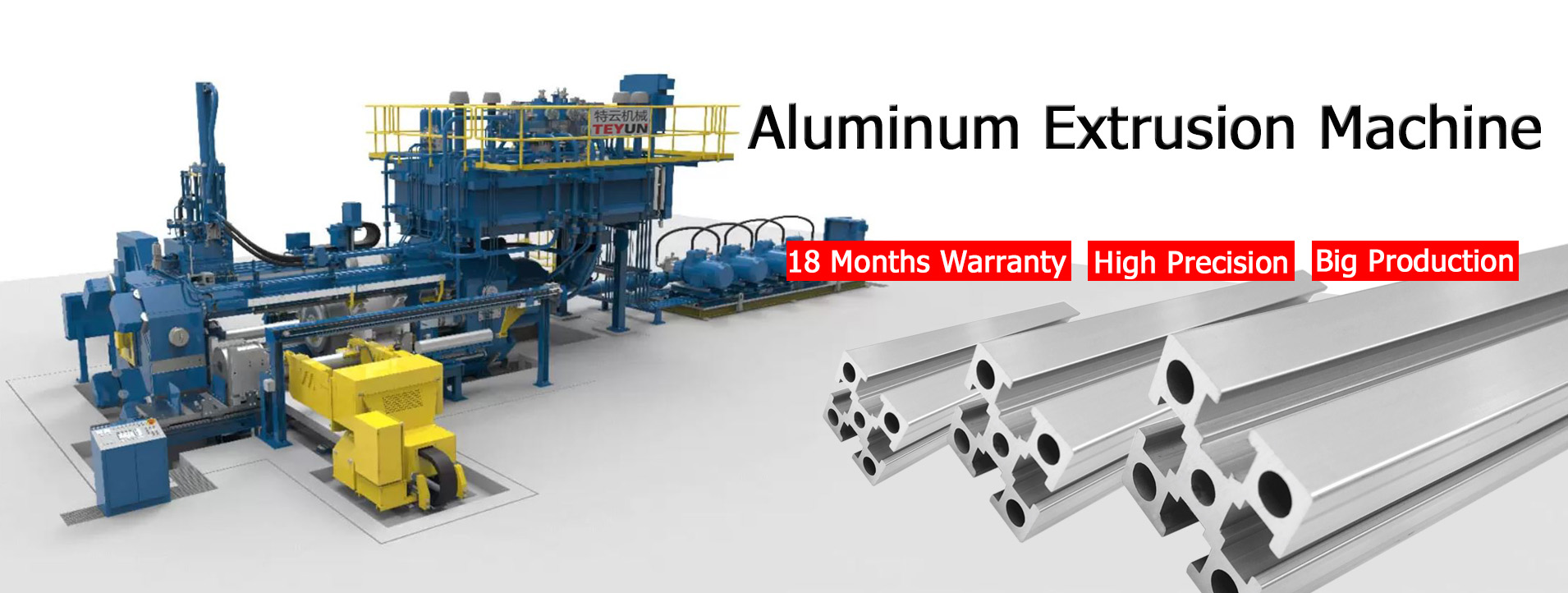
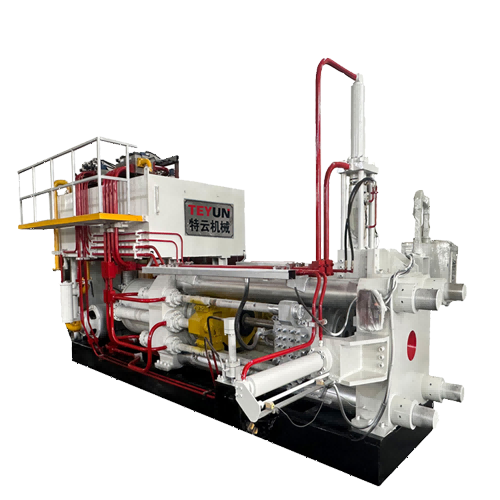
China Aluminum Extrusion Press manufacturer
Products
About Us
  • 20

    Years Of
    Experience
  • 46

    patent
    certificates
  • 7*24

    hours
    online service
Teyun
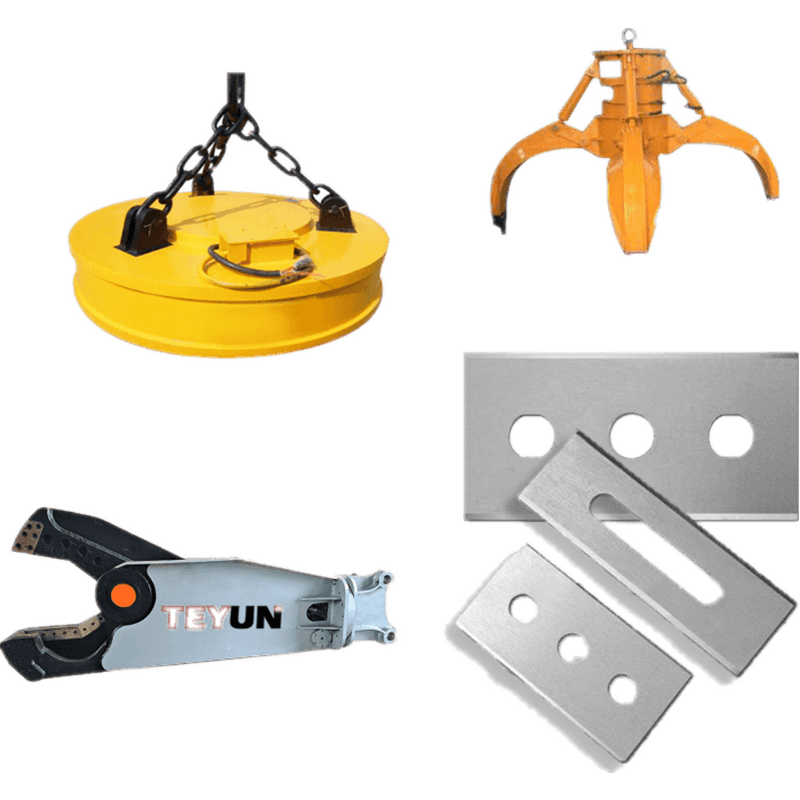
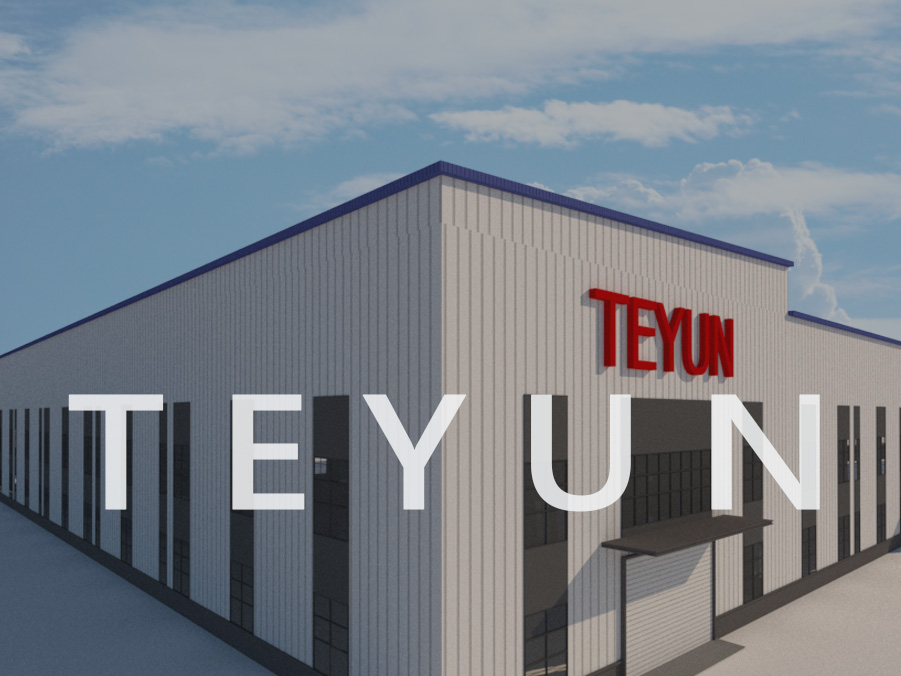
Teyun was founded in 1997 and has a history of more than 20 years. Teyun is a professional manufacturing enterprise with many years experience in designing and manufacturing hydraulic machine. It is a key enterprise that produces various hydraulic equipment and metal mechanical equipment in China with strong technical force, advanced production equipment and complete testing methods. Leading products include TY81 series metal hydraulic baler, TY43 series alligator hydraulic shearing machine, TY15 series gantry shearing machine, TY83 series hydraulic scrap baling machine, TYPM automatic waste paper baling machine and so on. We always adhere to “be pragmatic, innovative, pioneering and enterprising". With rich experience in designing and good capabilities of equipment processing and manufacturing, we can design and manufacture various non-standard hydraulic machinery according to the special requirements selected by customers. In China, we serve major waste recycling companies, large steel mills, sanitation systems, etc., providing customers with complete solutions. Our products are exported to Japan, Russia, Australia, the United States, the United Kingdom, Germany, and other countries and regions. Our high-quality performance and service have won the recognition and repurchase of overseas buyers. At the same time, in some countries, we have set up brand agents to serve local countries. We sincerely welcome you to join our agency team and start a pleasant cooperation.
      Nanjing Teyun Machinery Manufacture Co., Ltd. was founded in 2010 and has a history of more than 10 years. Teyun is a professional manufacturing enterprise with many years experience in designing and manufacturing hydraulic machine. It is a key enterprise that produces various hydraulic equipment and metal mechanical equipment in China with strong technical force, advanced production equipment and complete testing methods. Leading products include TY81,TY83,TYPM series metal hydraulic baler, TY43 series alligator hydraulic shearing machine,TY15 series gantry shearing machine and so on.   We always keep “be pragmatic, innovative, pioneering and enterprising". With rich experience in designing and good capabilities of equipment processing and manufacturing, we can design and manufacture various non-standard hydraulic machinery according to the special requirements selected by customers. We become one of the most promising domestic manufacturing enterprises which produces hydraulic machine such as balers, shearing machines, and hydraulic scrap machine, and have a huge influence on the waste recycling equipment industry.  
View more about
Our Partners
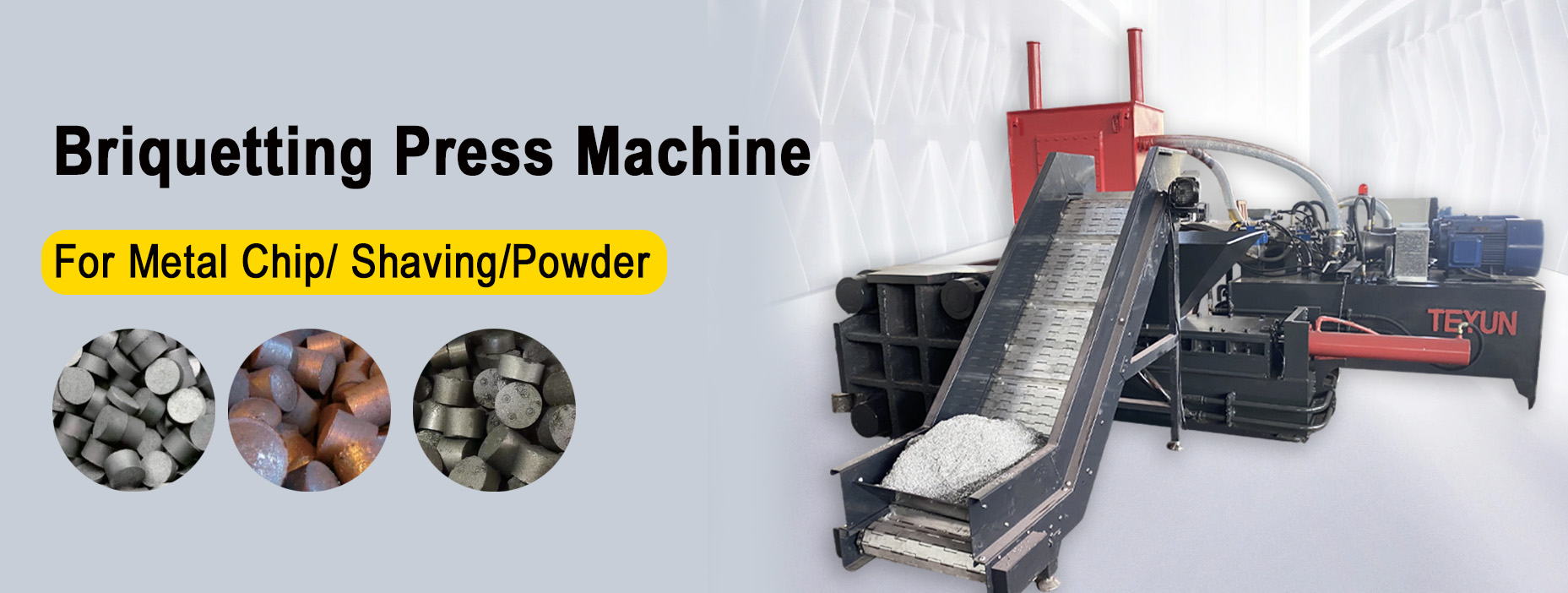
  • The Silent Giants of Sustainability: How Metal Briquetting Machines are Reshaping Industry
    Our Applications
    The Silent Giants of Sustainability: How Metal Briquetting Machines are Reshaping Industry

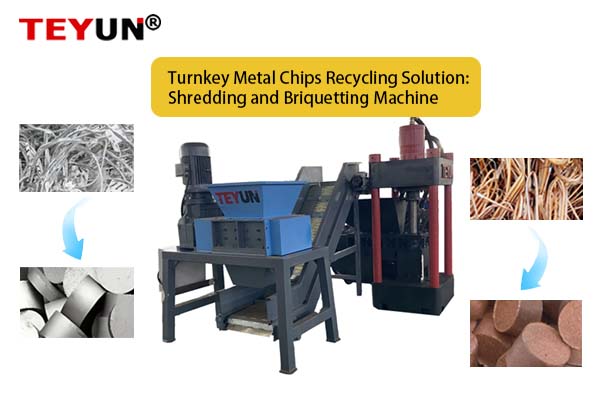
    In the bustling heart of modern industry, where efficiency and sustainability are no longer ideals but necessities, a powerful yet often overlooked machine is making a profound impact: the metal briquetting machine. These robust pieces of equipment are the cornerstone of a circular economy for metals, transforming what was once considered messy, hazardous, and low-value waste into a clean, profitable, and reusable resource.   At its core, a metal briquetting machine is a hydraulic press that applies immense pressure to loose metal scraps—often referred to as "swarf" or "turnings"—and compacts them into dense, uniform blocks known as briquettes. This simple act of compression is a game-changer. The raw material, which can range from aluminum and copper to steel, cast iron, and even titanium, is typically generated in vast quantities by machining operations like milling, turning, and drilling. In its loose form, this scrap is problematic. It takes up valuable floor space, poses safety hazards due to sharp edges, can be a fire risk when saturated with flammable cutting fluids, and is inefficient and costly to transport.   The briquetting process elegantly solves these challenges. By compressing the material, these machines achieve a dramatic volume reduction, often by a factor of 10:1 or more. This immediately frees up factory space, simplifying housekeeping and improving the overall work environment. The resulting briquettes are dry, solid, and easy to handle. They can be stacked neatly on pallets, stored safely outdoors, and transported with standard logistics, drastically reducing haulage costs.   However, the benefits extend far beyond mere convenience. The economic and environmental advantages are substantial.   From Cost Center to Revenue Stream   For manufacturing facilities, metal scrap was traditionally a cost—money had to be spent on its collection, handling, and disposal. A briquetting machine flips this model. By converting scrap into high-density briquettes, the material becomes a highly desirable commodity for metal recyclers and foundries. Briquettes are more efficient to melt in furnaces because of their high mass-to-surface-area ratio, leading to less oxidation and metal loss (yield). Consequently, recyclers pay a premium price for briquetted metal compared to loose, oily turnings. This transforms a waste stream into a significant source of secondary income, often providing a rapid return on investment for the briquetting machine itself.   A Pillar of Green Manufacturing   In an era of heightened environmental awareness, briquetting is a clear win for sustainability. First, it promotes the recycling of valuable raw materials, reducing the need for energy-intensive primary metal production. Recycling aluminum, for instance, requires only about 5% of the energy needed to produce it from ore. Second, many modern briquetting systems incorporate an integral extraction process that sque...

  • The Unstoppable Jaws: A Look at Metal Alligator Shearing Machines
    Our Applications
    The Unstoppable Jaws: A Look at Metal Alligator Shearing Machines

    In the gritty, demanding world of scrap metal processing and demolition, efficiency and raw power are paramount. Among the arsenal of equipment found in these yards, one machine stands out for its unique combination of simplicity, durability, and brute force: the metal alligator shearing machine. Named for its distinctive, crocodilian-like cutting action, this robust tool is a cornerstone of material reduction, transforming unwieldy scrap into manageable, recyclable pieces. At its core, an alligator shear is a mechanically or hydraulically powered guillotine shear. Unlike more complex balers or granulators, its operation is straightforward and visceral. The machine features a fixed lower jaw and a powerful upper jaw that pivots down with immense force, chomping through metal with a single, decisive bite. This scissoring action is incredibly effective on a wide range of materials, including steel rebar, pipe, wire rope, structural beams, and even mixed metals from demolished vehicles and machinery. Its primary role is not to create uniform shapes but to efficiently reduce the size of large, awkward items that would otherwise be impossible to handle or transport. The effectiveness of the alligator shear lies in its robust design and power source. Modern versions are predominantly hydraulic, offering significant advantages. A hydraulic power pack drives the shearing arm, generating immense cutting force measured in tons. This system allows for controlled, powerful strokes and often includes safety features like pressure-release valves to prevent overloading. The shearing blades are crafted from high-grade, heat-treated alloy steel, designed to withstand tremendous impact and abrasion. While they will dull over time, their design facilitates straightforward replacement or sharpening, ensuring minimal downtime. The benefits of employing an alligator shear are numerous. Its primary advantage is rugged reliability. With fewer complex moving parts than other processing machines, it is less prone to breakdowns and easier to maintain—a critical factor in harsh industrial environments. This simplicity also translates to a lower initial investment and operating cost, making it an accessible solution for small to mid-sized yards. Furthermore, its versatility is a major asset. The ability to process a heterogeneous mix of materials—from thick copper cable to hardened steel I-beams—makes it an indispensable first step in the recycling chain, preparing scrap for further sorting and melting. Operation and VigilanceDuring operation, maintaining vigilance is crucial for safety and performance. Operators should remain alert to the following: Abnormal Noises and Vibrations: The normal shearing sound is a dull thud. Any harsh grinding, impact sounds, or irregular vibrations warrant immediate shutdown for inspection. Temperature Monitoring: Key components should be checked for overheating. The hydraulic system (pump and motor housings) ...

  • The Critical Process of Metal Container Shearing
    Our Applications
    The Critical Process of Metal Container Shearing

    In the vast and intricate world of industrial manufacturing and recycling, the ability to precisely and efficiently cut metal is paramount. Among the various techniques employed, shearing stands out as a fundamental process, especially in the lifecycle of metal containers. From drums and barrels to cans and custom enclosures, metal container shearing is a procedure that combines brute force with engineered precision to dismantle, size, and prepare these ubiquitous objects for their next purpose.   At its core, shearing is a cutting action that utilizes two sharp, opposing blades to fracture metal along a straight line. Imagine a common pair of scissors, but on an industrial scale capable of handling the toughness of steel, aluminum, or tinplate. The process does not involve melting or burning through the material; instead, it applies immense force to induce a controlled rupture. The metal container is placed between an upper blade, often angled (known as the rake), and a lower, stationary blade. As the upper blade descends, it first deforms and then cleanly fractures the metal, separating it into distinct pieces. This method is highly valued for its speed, clean edges, and energy efficiency compared to thermal cutting processes like plasma or laser cutting, which consume significantly more power.   The shearing process for a metal container typically follows a logical sequence. First, the container must be prepared. This often involves ensuring it is empty, cleaned of any hazardous residues, and, if necessary, de-lidded. Safety is a non-negotiable priority. The container is then fed into the shear, either manually for smaller operations or via automated conveyor systems in high-volume recycling plants. The machine's hydraulic or mechanical system actuates the blade, performing the cut. For larger containers like 55-gallon drums, a guillotine-style shear is common, slicing the entire drum in half with a single, powerful stroke. For processing scrap cans, a massive alligator shear might be used, with its hinged jaw chomping down repeatedly to cut multiple containers into manageable fragments.   Several key parameters dictate the success of the shearing operation. The clearance between the upper and lower blades is critical. Too little clearance causes excessive wear and requires more force, while too much results in a deformed, burred edge. The rake angle of the upper blade helps to reduce the required force by distributing the cut over a longer stroke. Furthermore, the speed of the cut and the sharpness of the blades directly impact the quality of the finished edge and the overall efficiency of the operation. A well-maintained shear produces a clean cut with minimal deformation, whereas a dull blade will mash and tear the metal.   The applications of metal container shearing are extensive. In the recycling industry, it is the first step in size reduction, transforming bulky drums and cans into compact, uniform scraps that are e...

latest news
Leave A Message
If you are interested in our products and want to know more details,please leave a message here,we will reply you as soon as we can.
Contact Us
Contact Us

We are online 7*24 hours to answer all your questions

Top
Leave A Message
Leave A Message
If you are interested in our products and want to know more details,please leave a message here,we will reply you as soon as we can.

Home

Products

skype

whatsapp